If you’re considering moving to Boca Raton, Florida, safety is probably one of the first things you want to understand. Whether you’re relocating with children, planning retirement, or looking for a quieter place to settle down, knowing what everyday life is like matters just as much as finding the right home.
So, is Boca Raton a safe place to live? Generally, yes. Boca Raton has a lower violent-crime rate than both Florida and the national average, making it an attractive option for people prioritizing residential safety. However, property crime remains an important consideration, and safety can vary depending on the specific neighborhood and property.
The city’s location also brings other considerations, including hurricane exposure, flooding, traffic and pedestrian safety.
Here’s what the available crime statistics, local government resources and neighborhood information tell us about living in Boca Raton.
How Safe Is Boca Raton, Florida?
Boca Raton has a reputation for well-maintained residential communities, established neighborhoods and a relatively favorable public-safety profile.
But reputation alone doesn’t tell the complete story.
According to FBI-reported data for 2024, the Boca Raton Police Department recorded approximately 174 violent offenses, representing a rate of approximately 173 per 100,000 residents served.
For comparison, Florida’s violent-crime rate was approximately 267 per 100,000, while the national rate was approximately 359.
This places Boca Raton below both benchmarks.
Property crime presents a slightly different picture. The city’s reported property-crime rate was approximately 1,679 per 100,000, compared with 1,420 in Florida and 1,760 nationally.
In other words, Boca Raton performs particularly well when comparing violent crime, but residents should still take reasonable precautions against theft and burglary.
These statistics are based on police-reported offenses, not every crime that may occur. They also reflect the Boca Raton Police Department’s reporting area rather than a perfect count of every property carrying a Boca Raton postal address.
Sources: Boca Raton police-agency statistics, Florida crime data.
Boca Raton Crime Rates Compared to Florida and the U.S.
Understanding crime rates is easier when you compare them with larger geographic benchmarks.
The following figures use 2024 data, allowing a consistent reporting-year comparison.
| Crime category | Boca Raton | Florida | U.S. |
| Violent crime | 173 | 267 | 359 |
| Property crime | 1,679 | 1,420 | 1,760 |
Reported offenses per 100,000 residents, rounded. Boca Raton figures represent the police agency’s population served.
Violent Crime
Violent crime generally includes murder, rape, robbery and aggravated assault.
Boca Raton’s 2024 rate of approximately 173 violent offenses per 100,000 residents served is considerably below the Florida and national averages.
This is an important consideration for families, retirees and individuals who are comparing residential locations.
However, a lower citywide violent-crime rate does not guarantee that every street or community has the same safety conditions.
For someone planning to move, it’s worth examining the immediate surroundings of a property rather than relying exclusively on citywide statistics.
The FBI’s Crime Data Explorer provides access to reported crime information, while the Boca Raton Police Department provides local crime-map resources.
Property Crime
Property crime is particularly relevant to homeowners, renters and vehicle owners.
The main categories include burglary, larceny-theft and motor vehicle theft.
Boca Raton’s 2024 property-crime rate was approximately 1,679 per 100,000 residents served.
This was higher than Florida’s statewide rate but slightly below the national average.
For residents, this means basic security should remain part of everyday life.
Consider checking whether a property has:
- Secure parking or garage access.
- Working exterior lighting.
- Reliable door and window locks.
- Controlled access to residential buildings.
- Package delivery arrangements.
- Security cameras or monitored alarm systems.
These precautions are useful regardless of which Boca Raton community you choose.
Is Crime Increasing or Decreasing in Boca Raton?
Looking at several years of data provides a better understanding of local safety than relying on a single annual figure.
Boca Raton’s reported violent-crime count was 206 in 2020, decreased to 170 in 2023 and stood at approximately 174 in 2024.
Property crime followed a more noticeable downward pattern over the longer period.
Reported property offenses declined from approximately 2,189 in 2019 to 1,686 in 2024.
There was an increase in property offenses in 2023 compared with 2022, followed by a decline in 2024.
Overall, the available figures suggest that property crime has declined compared with earlier years, while violent crime has remained relatively stable in the latest comparable period.
One important detail: the reporting record for 2021 is incomplete, so it should not be interpreted as a year with unusually little crime.
For the latest information, residents should consult the Florida Department of Law Enforcement’s crime reporting system.
Safest Neighborhoods and Communities in Boca Raton
Choosing the right community is an important part of deciding whether Boca Raton is suitable for your lifestyle.
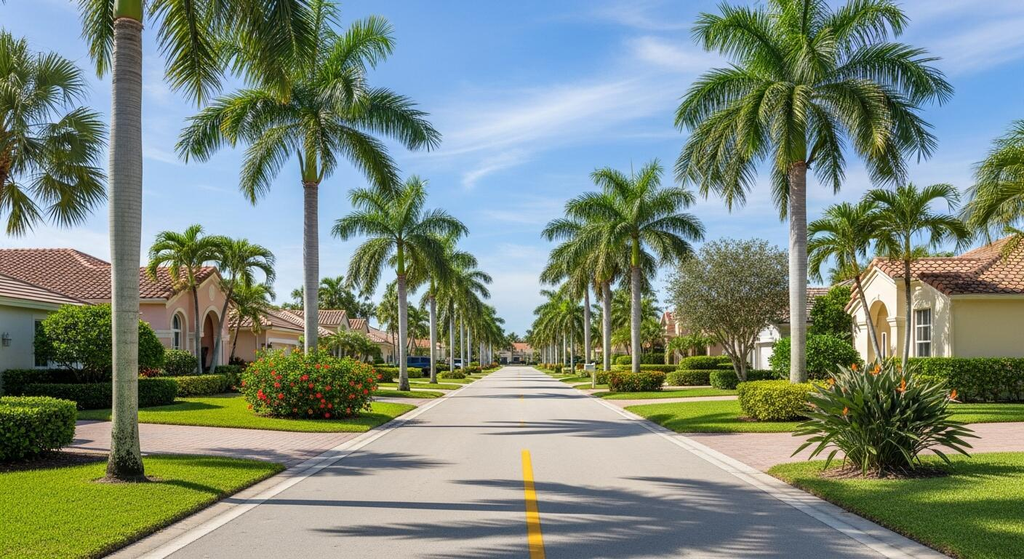
Several established residential communities offer different living environments, from gated developments to suburban neighborhoods.
However, there is no verified official neighborhood crime ranking that establishes these communities as the safest in Boca Raton.
Here are some residential areas worth researching.
1. Broken Sound
Broken Sound is an established private residential community in Boca Raton.
It is known for its gated environment, residential amenities and country-club lifestyle.
For people considering a move, it’s worth investigating the community’s access-control arrangements, security services, visitor policies and individual property protections.
2. Boca West
Boca West is a large residential community with a range of housing options and recreational facilities.
Its residential environment may appeal to retirees, families and people looking for a community-oriented lifestyle.
Before purchasing or renting, check the specific building’s access arrangements, parking security and emergency procedures.
3. Boca Del Mar
Boca Del Mar offers a variety of residential properties, including condominiums, townhomes and single-family homes.
Its established residential setting makes it worth considering for people who want to compare different property types.
As with any area, examine the immediate street, building maintenance and surrounding commercial activity rather than assuming that the entire community has identical safety conditions.
4. West Boca
West Boca includes several suburban residential communities and offers a different environment from the more coastal and central parts of the city.
It may appeal to families looking for residential neighborhoods and access to schools and everyday amenities.
A property-specific assessment should include traffic conditions, lighting, parking and nearby police-reported incidents.
5. Royal Palm Yacht & Country Club
Royal Palm Yacht & Country Club is a private residential community known for luxury homes and its waterfront setting.
Its controlled residential environment may appeal to buyers looking for privacy and established community arrangements.
However, property security and hurricane exposure should be considered separately.
A useful tip: Before choosing any neighborhood, search its address using the official Boca Raton crime resources and check its flood exposure through Palm Beach County’s flood-zone lookup.
Areas to Research Before Moving to Boca Raton
Rather than labeling particular neighborhoods as unsafe, prospective residents should pay attention to the conditions surrounding individual properties.
For example, apartments with open-access parking may require different security considerations from properties with enclosed garages.
Similarly, homes close to busy roads may present greater pedestrian-safety concerns than properties located on quieter residential streets.
Before signing a lease or purchasing a property, consider:
- Reviewing nearby police-reported incidents.
- Visiting the property during daylight and evening hours.
- Checking street lighting and pedestrian access.
- Examining parking arrangements.
- Asking residents about recurring security concerns.
- Reviewing building access and visitor policies.
The city’s crime-map disclaimer is particularly relevant here: reported incident data may be incomplete or unverified, so it should be treated as one source of information rather than a definitive safety score.
Is Boca Raton Safe for Families?
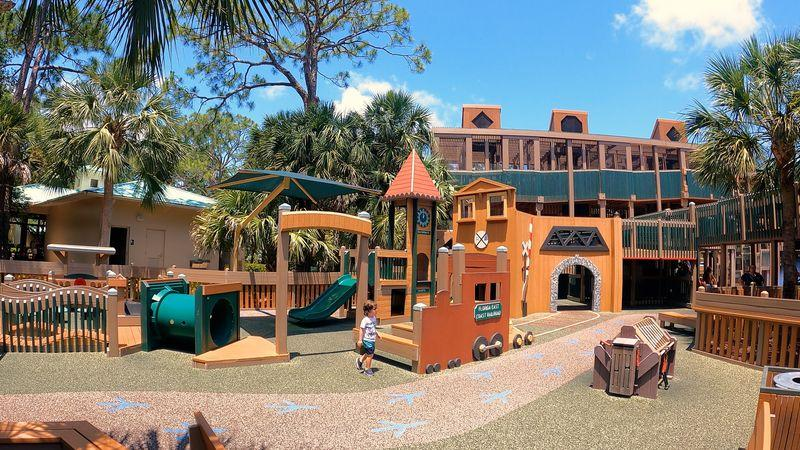
Boca Raton can be an appealing place for families looking for established residential communities, recreational facilities and access to educational institutions.
The city’s demographic profile also provides useful context.
According to the U.S. Census Bureau, approximately 16.2% of Boca Raton’s population is under 18.
Families considering a move should look beyond crime statistics and evaluate the practical environment their children will experience.
Some important considerations include:
Schools and education: Research the assigned school for your specific property. School quality and catchment areas can vary.
Parks and recreation: Facilities such as Sugar Sand Park provide opportunities for outdoor activities, recreation and family outings.
Residential security: Consider gated access, street lighting, neighborhood traffic and the availability of secure outdoor spaces.
Road safety: Evaluate the routes children would use to reach schools, parks and other activities.
For families, a neighborhood that offers convenient access to everyday amenities and safe pedestrian routes can make a meaningful difference.
Useful resource: U.S. Census Bureau Boca Raton demographics.
Is Boca Raton Safe for Retirees and Seniors?
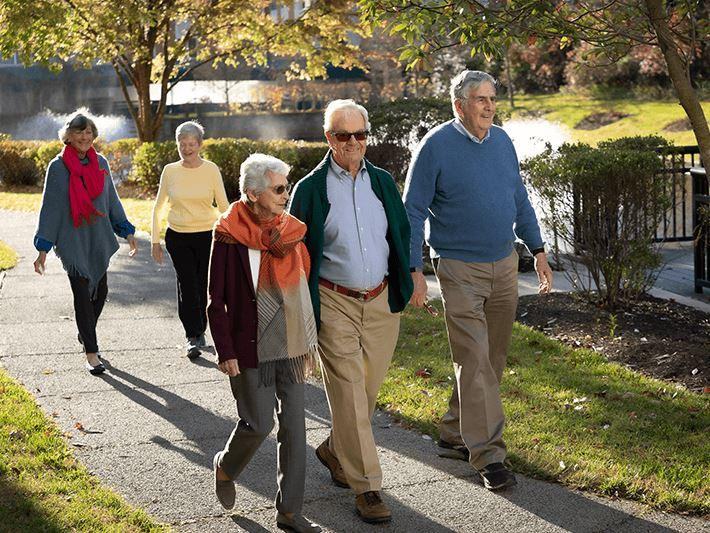
Boca Raton is worth considering for retirees who want a residential community with access to shopping, recreation and healthcare services.
According to the U.S. Census Bureau, approximately 24.6% of Boca Raton residents are aged 65 or older.
That makes the city particularly relevant for people researching retirement destinations.
However, senior safety involves more than crime rates.
Important factors include:
- Access to nearby healthcare facilities.
- Emergency medical services.
- Walkable routes and accessible sidewalks.
- Building elevators and backup-power arrangements.
- Community transportation options.
- Protection against financial and telephone scams.
- Hurricane preparedness.
For seniors living in condominiums, hurricane planning deserves special attention.
The City of Boca Raton specifically warns that buildings on the Barrier Island may lose elevators, lighting, air conditioning and water during hurricanes or severe storms.
Source: City of Boca Raton evacuation information.
Is Boca Raton Safe for People Living Alone?
People living alone may have different safety priorities from families or couples.
For someone renting an apartment or purchasing a smaller property, building security and the surrounding environment can be particularly important.
Before moving, check whether the property offers:
- Secure building entry.
- Well-lit parking.
- Reliable locks and window security.
- Working intercom systems.
- Package management.
- Emergency communication arrangements.
It’s also worth visiting the property after dark to understand how the immediate surroundings feel.
Boca Raton’s relatively low violent-crime rate is encouraging, but individual security arrangements still matter.
Is Boca Raton Safe at Night?
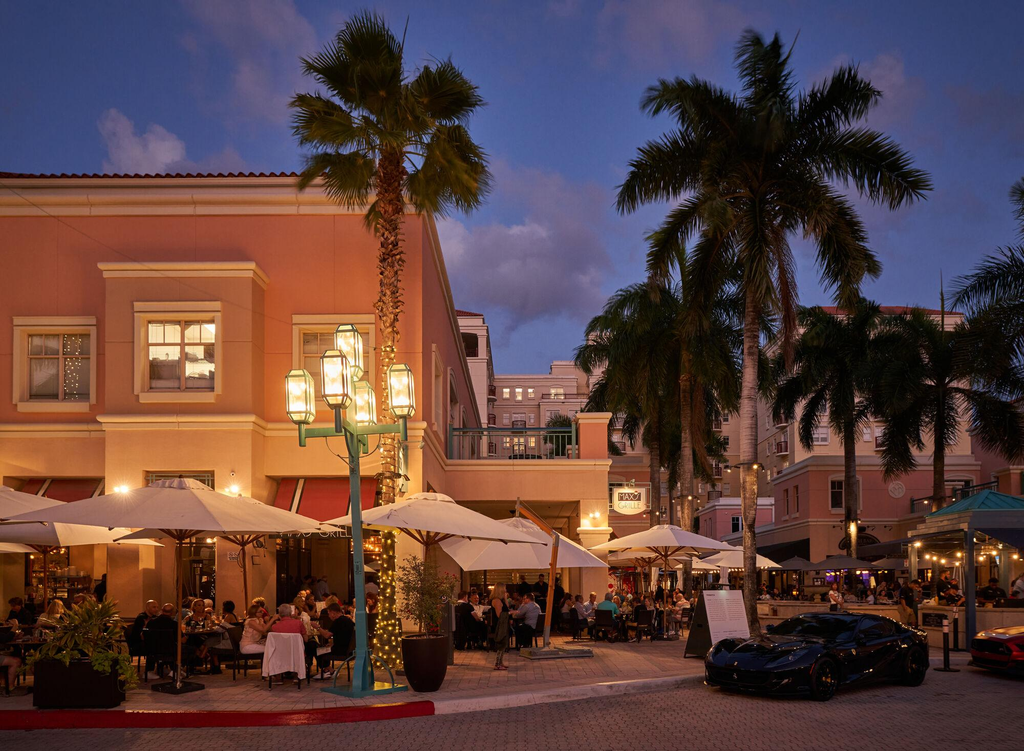
Boca Raton has restaurants, shopping destinations, entertainment areas and residential communities that attract visitors throughout the evening.
Areas around Mizner Park and Downtown Boca offer restaurants, shopping and public activity.
However, there is no sufficiently verified citywide nighttime crime dataset that would justify declaring every part of Boca Raton equally safe after dark.
As with any city, it’s sensible to:
- Use well-lit pedestrian routes.
- Avoid isolated parking areas.
- Keep valuables out of sight.
- Stay aware of your surroundings.
- Use reliable transportation when returning late.
- Avoid walking along poorly lit roads without sidewalks.
For people considering a move, visiting the neighborhood in the evening is one of the easiest ways to evaluate its everyday environment.
Other Safety Concerns When Living in Boca Raton
Crime is only one part of residential safety.
Boca Raton’s coastal Florida location means residents should also understand traffic conditions, hurricane exposure and flooding.
Traffic and Road Safety
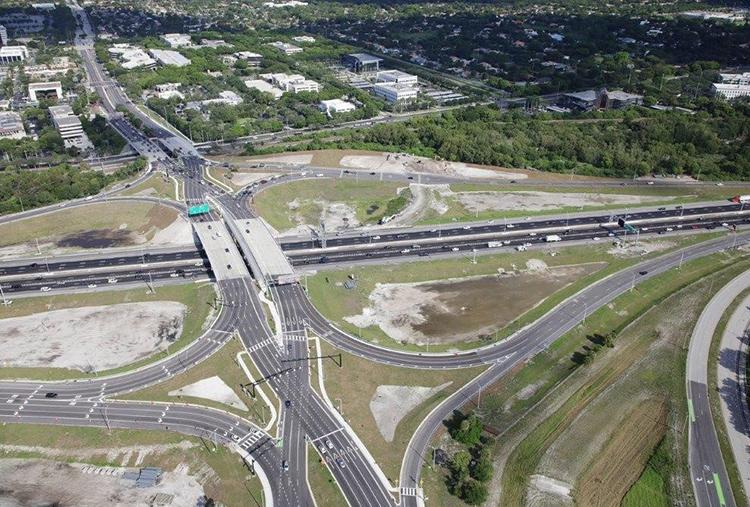
Traffic safety is an important consideration for anyone planning to live in Boca Raton.
The city has major roads, commercial corridors and residential streets with different traffic conditions.
Pedestrians and cyclists should pay particular attention when crossing busy roads or travelling after dark.
Before choosing a home, consider:
- Distance to major roads.
- Availability of sidewalks.
- Crosswalk locations.
- Traffic speeds near residential entrances.
- Bicycle infrastructure.
- Safe walking routes to shopping and schools.
The Florida Department of Transportation provides access to location-based crash information through its Crash Data Systems and Mapping resources.
This is a useful resource when comparing specific roads or intersections.
Hurricanes and Flooding
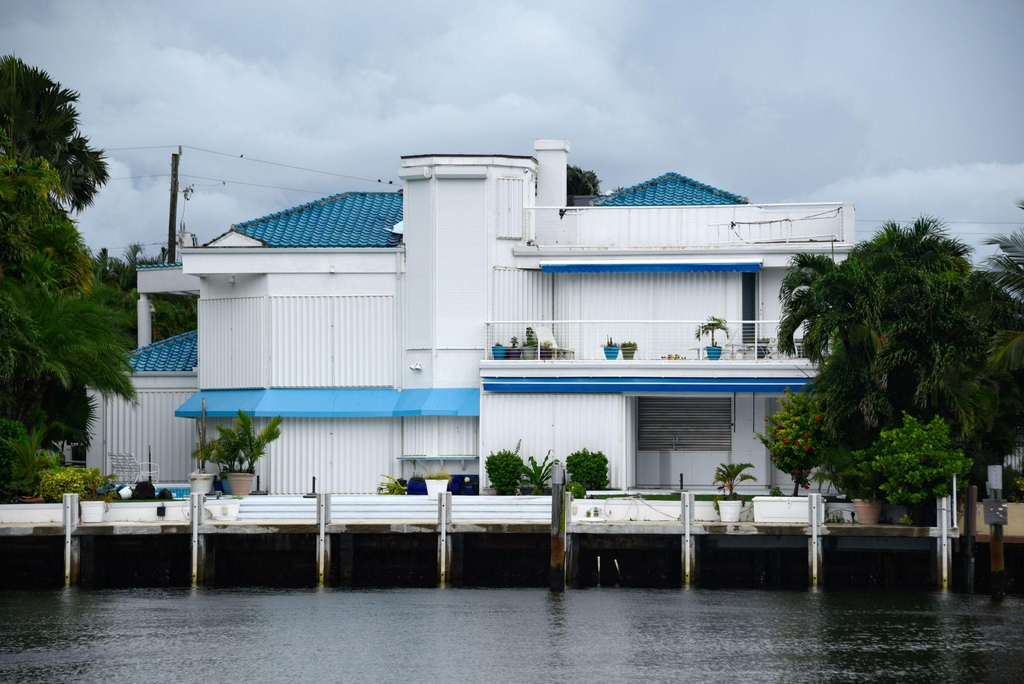
Hurricanes and flooding are among the most important non-crime considerations when moving to Boca Raton.
The city’s coastal location means residents need to prepare for tropical storms, hurricanes, storm surge and heavy rainfall.
One particularly important distinction is the difference between an evacuation zone and a FEMA flood zone.
Evacuation zones identify areas that may be affected by storm surge.
Flood zones identify areas with varying levels of flooding risk, including coastal flooding and drainage-related flooding.
A property may require careful flood-risk assessment even if it is not in an evacuation zone.
Palm Beach County provides official tools that allow residents to check both classifications using their property address.
Useful resources:
- Palm Beach County Know Your Zone
- FEMA Flood Map Service Center
- City of Boca Raton hurricane evacuation information
The county’s updated flood maps became effective December 20, 2024.
The county also reports that more than 16,000 parcels experienced an increase of at least one foot in base flood elevation.
This makes checking flood insurance requirements particularly important when purchasing a home.
Emergency Preparedness
Living in Florida means having a hurricane plan is part of responsible homeownership.
Residents should consider preparing:
- Drinking water and essential food supplies.
- Flashlights and backup batteries.
- Necessary medications.
- Important documents in waterproof storage.
- Emergency contact information.
- A backup power plan where appropriate.
- An evacuation destination outside the designated zone.
Palm Beach County also offers AlertPBC, an emergency notification system for local residents.
Register through the Palm Beach County emergency management website.
Practical Safety Tips for New Residents
Whether you’re renting an apartment or purchasing a home, a few precautions can make your move to Boca Raton easier.
1. Research the specific property.
Don’t rely solely on citywide safety rankings. Examine the immediate surroundings and nearby reported incidents.
2. Check the flood zone before purchasing.
Use FEMA and Palm Beach County resources to understand the property’s flood exposure.
3. Review residential security.
Check locks, exterior lighting, parking arrangements, building entry and visitor policies.
4. Visit the neighborhood at different times.
A daytime property visit won’t necessarily show you what the area is like in the evening.
5. Protect your vehicle and belongings.
Avoid leaving valuables visible inside your vehicle and make use of secure parking.
6. Prepare for hurricane season.
Understand your evacuation zone, insurance requirements and emergency arrangements before a storm approaches.
7. Check local traffic conditions.
If you have children or plan to walk regularly, examine sidewalks, crossings and nearby traffic.
8. Stay alert to scams.
Be cautious with unsolicited calls, suspicious investment offers and requests for personal or financial information.
Frequently Asked Questions
1. Is Boca Raton safer than West Palm Beach?
A reliable comparison requires using the same reporting year, crime definitions and population methodology for both police jurisdictions.
Boca Raton’s 2024 violent-crime rate was approximately 173 per 100,000 residents served. A direct West Palm Beach comparison should use the corresponding police-agency FBI data rather than citywide estimates from unrelated third-party rankings.
2. What is the safest neighborhood in Boca Raton?
There is no verified official ranking that identifies one neighborhood as the safest.
Communities such as Broken Sound, Boca West, Boca Del Mar and Royal Palm Yacht & Country Club are worth researching, but their individual security arrangements and local incident histories should be evaluated before choosing a property.
3. Is Boca Raton safe for families with children?
Generally, yes. Boca Raton has a relatively low violent-crime rate compared with Florida and national benchmarks, along with residential communities and family-oriented recreational facilities.
Families should also evaluate school access, traffic, sidewalks and property security.
4. Is it safe to walk around Boca Raton at night?
Many residents and visitors use Boca Raton’s commercial and recreational areas during the evening.
However, nighttime safety varies with location and circumstances. Stick to well-lit routes, avoid isolated areas and use appropriate transportation when necessary.
5. Is Boca Raton safe during hurricane season?
Boca Raton is exposed to hurricane and flooding risks because of its South Florida coastal location.
Residents should check their evacuation zone, FEMA flood classification and insurance requirements before moving. A hurricane preparedness plan is essential.
Final Verdict: Is Boca Raton a Safe Place to Live?
Yes, Boca Raton is generally a good option for people prioritizing residential safety in South Florida.
Its violent-crime rate is considerably lower than Florida and national benchmarks, and its longer-term property-crime figures have generally declined compared with earlier years.
However, safety isn’t determined by crime statistics alone.
The right neighborhood, property security, traffic conditions, flood exposure and emergency preparedness all contribute to the overall living experience.
For families, retirees and people relocating to South Florida, Boca Raton deserves serious consideration.
The best approach is to research individual residential communities, inspect the property and use official crime and flood resources before making a final decision.
A well-informed property choice will tell you much more about everyday residential safety than a generic citywide safety score.